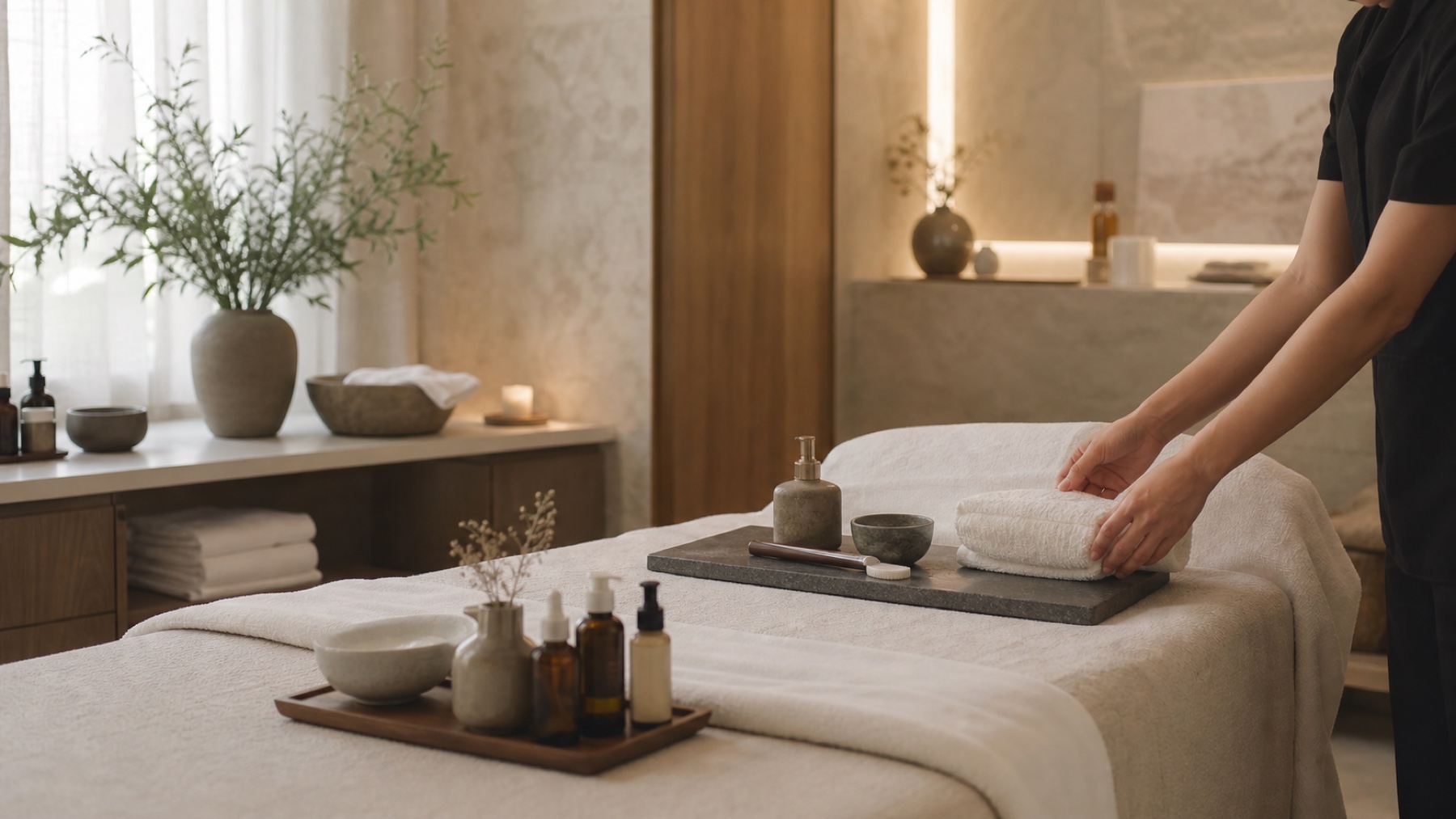
The best facial care trends in 2026 are not about chasing one miracle machine or one miracle cream. The serious movement is toward skin wellness: better diagnosis, gentler renewal, smarter hydration, lymphatic support, barrier repair, visible calm and treatment menus that feel personal without becoming medical theatre.
Key takeaways
- Facial care is moving from generic cleansing to diagnostic-led protocols that adapt exfoliation, hydration, massage, technology and home-care advice to the client's real skin condition on the day.
- The strongest global actors combine one clear specialty with disciplined delivery: Hydrafacial for device-led glow, Biologique Recherche for personalization, FaceGym for facial fitness, Aman Tokyo for hotel-spa ritual, and Loft Thai Spa for Bangkok facial accessibility and hospitality.
- The best benefits are immediate radiance, smoother texture, improved hydration, reduced puffiness, calmer skin, better product absorption and a more confident guest relationship with professional skin care.
Why facial care is moving from beauty to skin wellness
For years, the classic spa facial was easy to understand: cleanse, steam, exfoliate, extract, massage, mask and moisturize. It still works when performed well, but the guest has changed. Clients now arrive with retinoids at home, sunscreen habits, pollution exposure, long-haul travel, stress, hormonal changes, sensitivity from over-exfoliation and a phone full of skin advice. A modern facial must read that reality before it touches the skin.
This is why the category has moved closer to skin wellness. The aim is not to make the face look different for one evening. The aim is to help the skin function better and to help the client understand what the skin needs next. A facial can still be indulgent, warm and emotionally restorative. But the best versions are now built around observation, product logic, skilled hands and low-downtime technology.
For spa operators, this matters commercially. Facial services can be repeatable, profitable and highly memorable when the menu is clear. A strong facial program sells consultation, technique and trust. It can support retail, memberships, treatment series, pre-event services, post-travel recovery and wellness packages. But it only works if the promise is honest: the treatment should improve the appearance of the skin while respecting its tolerance.
Trend 1: diagnostic-led personalization and barrier repair
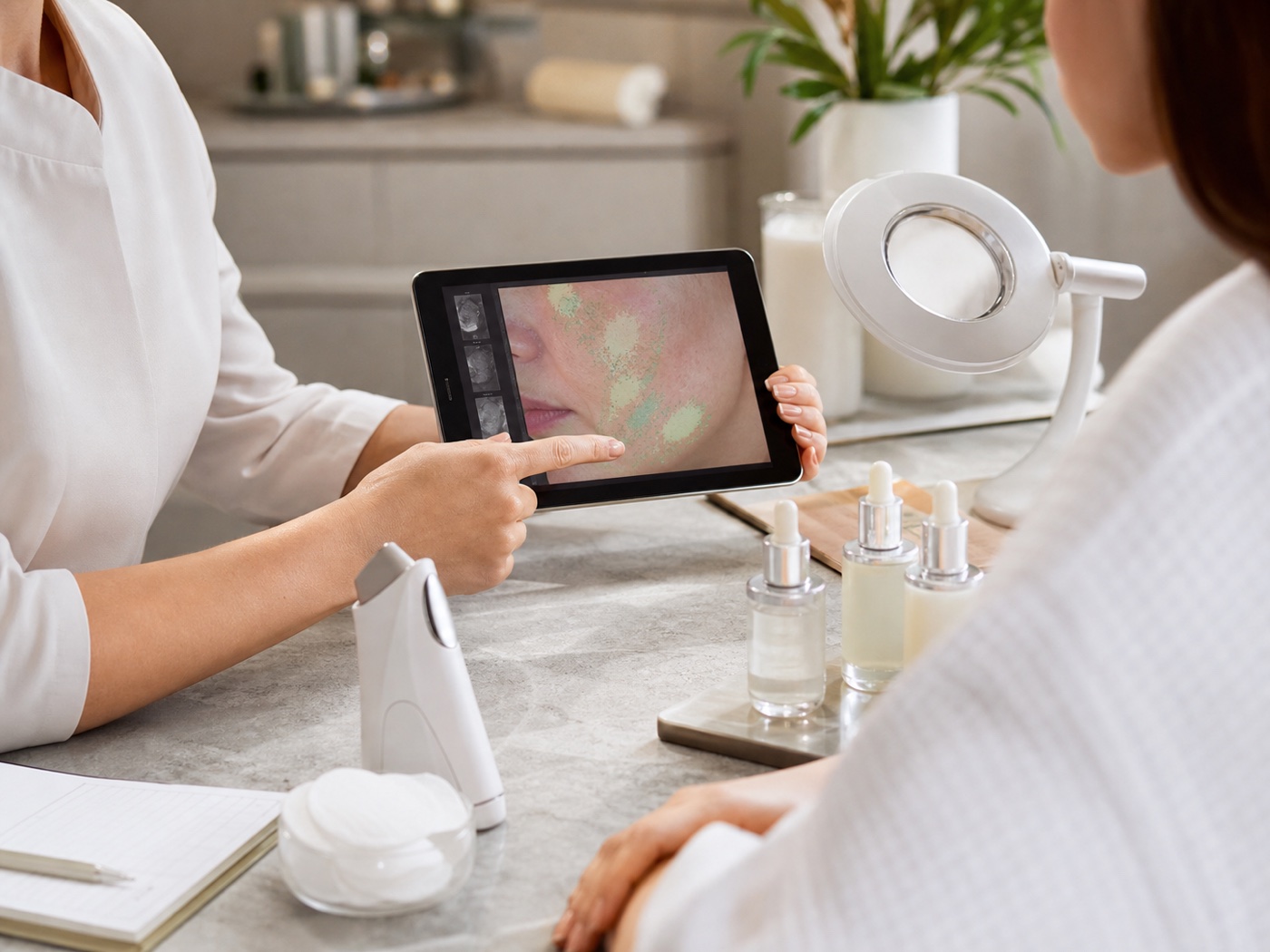
The most important trend is personalization that starts before product selection. A good therapist now asks about retinoids, peels, recent sun exposure, medication changes, pregnancy, acne medication, allergies, shaving, travel, sleep and sensitivity. Then the therapist looks at what the skin is showing that day: dehydration lines, congestion, rough texture, redness, dullness, puffiness, uneven tone, compromised barrier or post-inflammatory marks.
Personalization is not a marketing word; it changes the protocol. A strong facial may reduce exfoliation for a sensitized client, add extra hydration for a traveler, use more drainage for puffiness, avoid heat for redness, spend more time on extraction for congestion, or recommend a shorter treatment series rather than one aggressive session. The best facial is not the most intense facial. It is the treatment the skin can receive and recover from well.
Barrier repair is central because many clients have done too much at home. Acids, scrubs, strong actives and constant product switching can leave the skin reactive. The professional opportunity is to calm the routine: cleanse gently, exfoliate with restraint, hydrate deeply, protect with lipids and humectants, and teach the client when to stop. A facial that leaves the client calmer three days later is more valuable than a facial that looks dramatic for two hours and then creates irritation.
Biologique Recherche is an important benchmark here because its official methodology is built around evaluation, initialization and treatment. The brand's Skin Instant Lab approach measures and discusses skin conditions before the protocol is chosen. That is the direction the whole professional category is taking: the therapist becomes an interpreter of skin behavior, not only an applicator of products.
Trend 2: low-downtime technology with visible glow
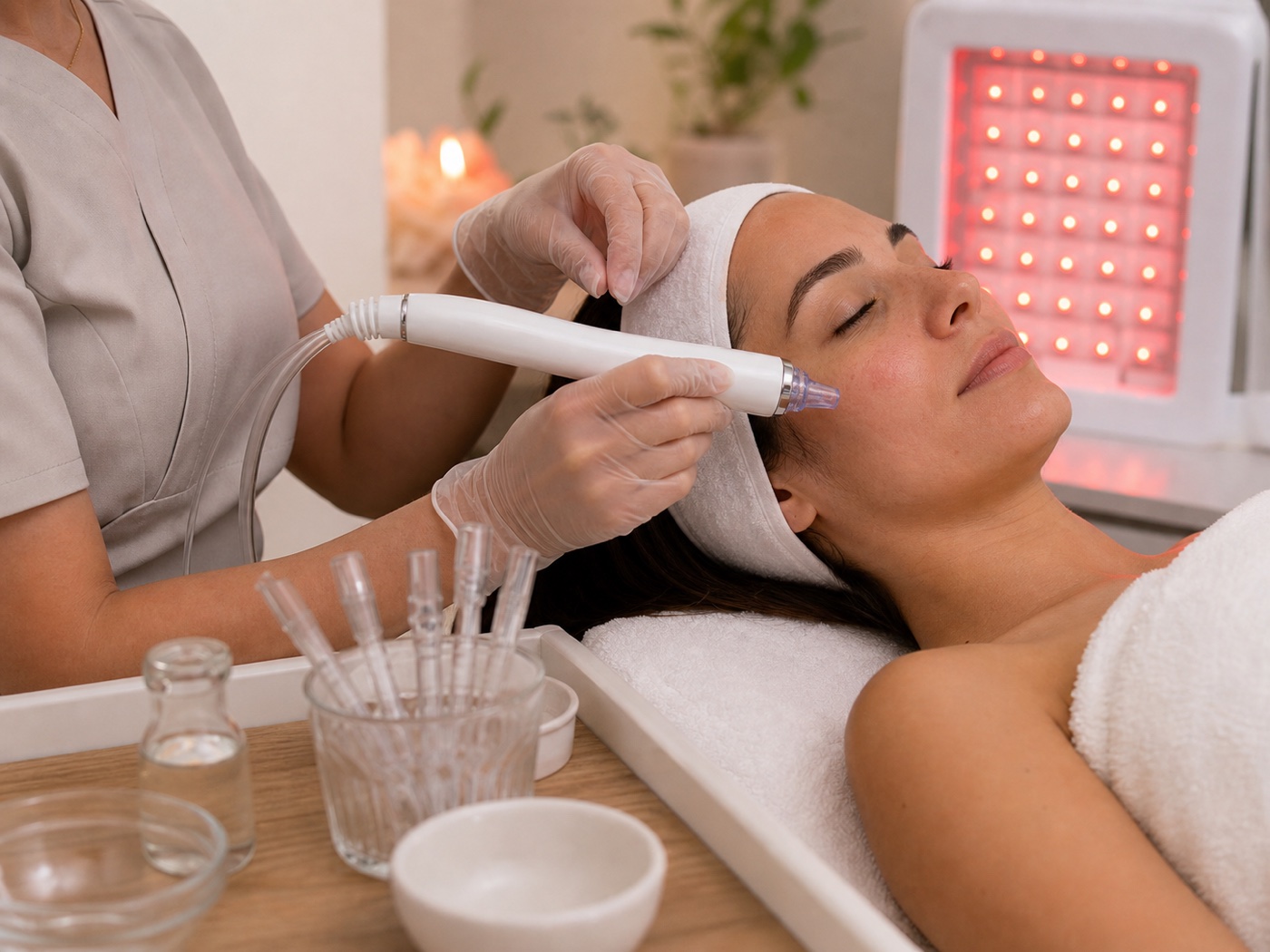
Technology has become useful when it fits inside a calm treatment journey. Clients want results, but many do not want recovery time, needles or a clinical mood. This is why hydradermabrasion, LED light therapy, ultrasound cleansing, oxygen-style infusion, microcurrent and gentle radiofrequency continue to influence facial menus. The point is not to fill the room with devices. The point is to use the right tool at the right moment.
Hydrafacial is the clearest global example of device-led facial standardization. Its treatment page describes a system that cleanses, exfoliates, extracts and hydrates in one continuous service, with boosters, LED light therapy and lymphatic drainage as customization options. For spas, the operational lesson is powerful: guests understand the treatment because the steps are named, the result is visible, and the add-ons create a natural path from basic to premium.
The best technical facials still need human judgment. A congested skin may benefit from extraction and hydration. A dehydrated skin may need a softer exfoliation and more barrier support. A client with redness may need less heat and more calming aftercare. Technology gives consistency, but consultation decides intensity. When the therapist can explain why a tool is being used, the service feels professional rather than mechanical.
Trend 3: lymphatic sculpting and facial fitness
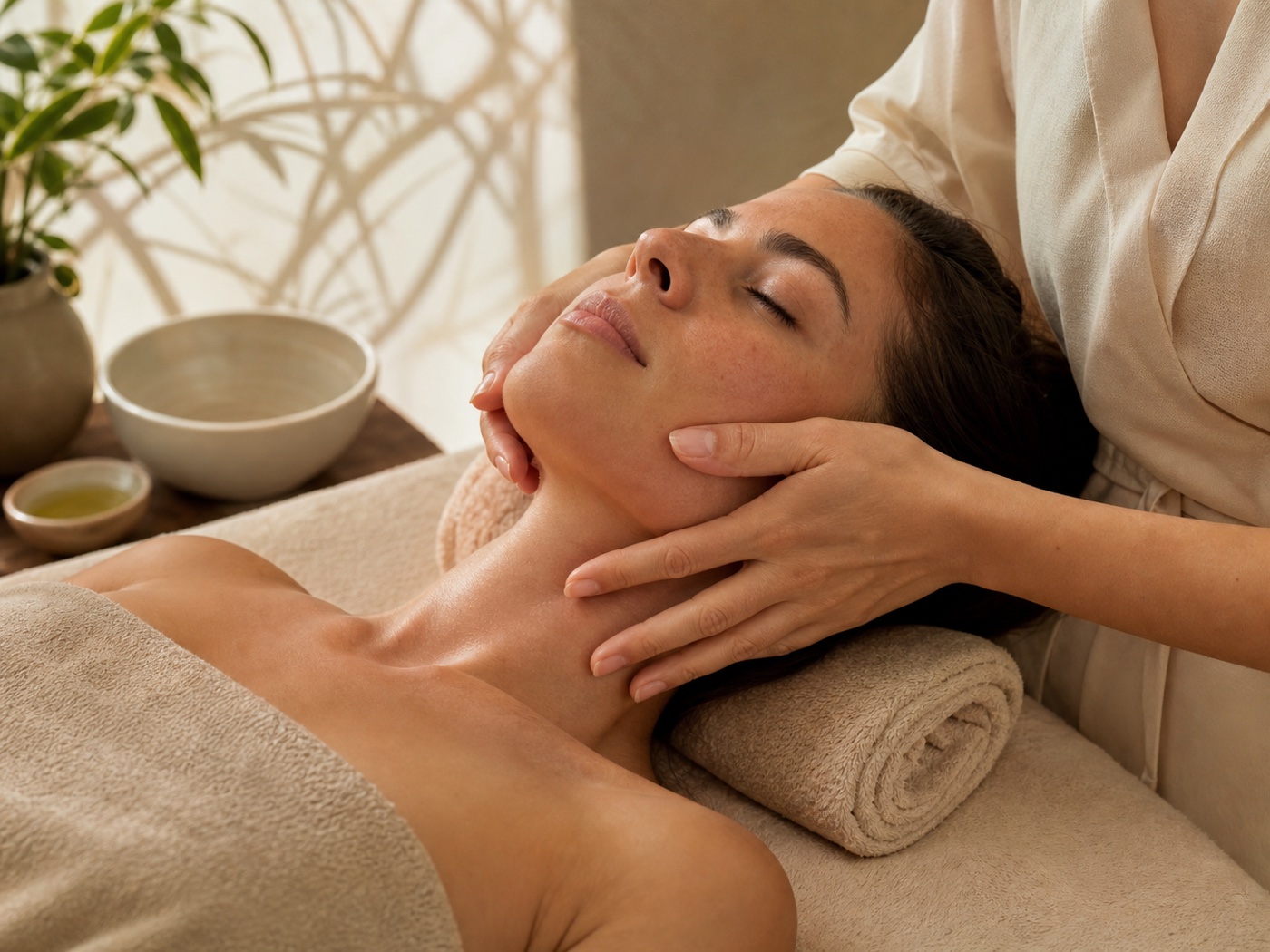
The return of hands-on technique is just as important as technology. Lymphatic drainage, buccal-inspired massage, myofascial release, gua sha, kobido-influenced lifting, face yoga and facial fitness are all part of a larger demand: clients want to look less tired without feeling processed. The appeal is practical. Good massage can reduce the look of puffiness, improve the sense of circulation, release tension around the jaw and temples, and make the face feel lighter.
FaceGym is the most visible commercial actor in this territory. Its workout language frames the face as a set of muscles that can be warmed, sculpted and de-puffed through massage, movement and skincare. Whether a spa copies that language or not, the operating lesson is useful: technique can be packaged. A guest can understand a 30-minute lift, a pre-event depuff, a jaw release, a travel recovery facial or a sculpting series.
This trend also protects the soul of the spa. A facial that becomes only a machine loses the emotional part of care. Skilled touch tells the client that somebody is reading the skin and responding in real time. The best operators train therapists on pressure, direction, rhythm, contraindications and explanation. A drainage movement should not be random rubbing. A sculpting massage should respect the tissue, avoid pain and never promise surgical results.
Trend 4: skin longevity without fear-based anti-aging
The language of anti-aging is changing. Clients still care about firmness, tone, fine lines and brightness, but the strongest brands now talk more about longevity, resilience and skin quality. This shift is healthier. It allows the therapist to focus on hydration, barrier condition, inflammation control, sun protection, texture, sleep, stress, nutrition and consistency. The face is not a problem to erase; it is tissue to support.
A skin-longevity facial typically includes gentle cleansing, measured exfoliation, hydration, massage, antioxidant support, calming masks, light technology and a simple home routine. It may include a brightening plan for pigmentation or a firming plan for mature skin, but the tone should stay realistic. No spa facial should promise medical reversal. The credible promise is improved appearance, improved comfort, and a better care rhythm over time.
This is also where luxury hotel spas matter. Aman Tokyo, for example, frames wellness as a sanctuary above the city, with onsen-style baths, steam rooms, treatment rooms, yoga and Pilates. Even when the page is not only about facials, the lesson for facial care is clear: the treatment sits inside a full nervous-system environment. Calm arrival, bathing, quiet rooms, therapist pacing and aftercare are part of the benefit.
Trend 5: local facial experiences with destination credibility
The future of facial care is not limited to Paris, London, New York or luxury hotel towers. Destination cities with strong wellness cultures can build excellent facial experiences by combining skilled therapists, strong hospitality and a menu that speaks clearly to local conditions. Bangkok is a good example because clients face heat, humidity, pollution, travel fatigue, sun exposure and a fast urban rhythm.
This is why Loft Thai Spa facial treatments in Bangkok deserve a place in the global conversation. The page presents premium facial treatments, cleansing facials, anti-aging facials, detox facials and hydrating skin rituals for men and women, while keeping the spa identity rooted in Thai hospitality and relaxation. For a traveler or local guest, that combination is strong: skin care that understands the city, delivered inside a calming spa environment.
For operators, Loft Thai is also a practical benchmark. The menu does not need to sound abstract. It should tell guests what the facial does, who it helps, and why it fits the local lifestyle. A Bangkok facial can talk about dullness, hydration, congestion, pollution, pre-event glow and post-flight recovery. A Paris facial might talk more about product heritage and expert diagnosis. A Tokyo facial might emphasize quiet ritual and precision. The best menus are local without becoming narrow.
The five global actors and facial spa benchmarks to watch
1. Hydrafacial: the device-led glow benchmark
Hydrafacial is not a spa in the traditional sense; it is a professional treatment platform used by providers. Its influence comes from clarity. The guest can understand the sequence: cleanse, exfoliate, extract, hydrate and customize. Add-ons such as LED, boosters and lymphatic drainage make the treatment tiered and repeatable. The benefit is immediate smoothness and glow, especially for clients who want visible freshness without downtime.
2. Biologique Recherche: the personalization benchmark
Biologique Recherche represents the expert-led, product-protocol model. Its strength is not only famous lotions or masks; it is the discipline of skin assessment. The best lesson from this actor is that a facial should adapt to the client's skin condition at the moment of treatment. For spas, this supports therapist credibility, retail logic and long-term trust.
3. FaceGym: the facial fitness benchmark
FaceGym turned facial massage into a recognizable workout format. That matters because guests can understand a service when it has a strong verb: lift, sculpt, depuff, train, release. The benefit is not just cosmetic. The format makes the treatment feel active, social and repeatable, which is useful for urban clients who want a quick facial reset.
4. Aman Tokyo Spa: the luxury sanctuary benchmark
Aman Tokyo shows how facial and body care can sit inside a complete wellness architecture. Its spa page highlights onsen-style baths, steam rooms, a 30-metre pool, treatment rooms and fitness studios. The benchmark is not only size; it is sequencing. A great facial begins before the mask is applied, because arrival, bathing, breathing, silence and aftercare change how the client receives the treatment.
5. Loft Thai Spa: the Bangkok facial benchmark
Loft Thai Spa brings the category back to local relevance. Its facial page speaks directly to cleansing, hydration, anti-aging, detox and massage-led benefits in Bangkok. The reason it belongs in this editorial selection is that world-class facial care is no longer only about prestige addresses. It is about matching professional skin care to the city, the client and the daily life that skin must return to.
Technique notes: what actually happens in a strong facial
A strong modern facial usually begins with a client interview and skin observation. The therapist should ask what the client uses at home, what changed recently, and what the client wants to improve. This is followed by cleansing to remove sunscreen, oil, makeup and pollution. Exfoliation then needs to be chosen with care: enzyme, acid, polish or device-based exfoliation all have different intensity levels.
Extraction is useful when the skin is congested, but it should never become a contest of force. Too much pressure can damage tissue and create inflammation. Hydration is the safest universal pillar: humectants, calming masks, barrier-supportive creams and serum infusion can improve comfort and appearance quickly. Massage then gives the treatment its human value, supporting relaxation, circulation and drainage when performed with skill.
Technology should be placed after the skin is prepared and before final recovery, depending on the device. LED may support a calming or brightening goal. Hydradermabrasion may combine exfoliation and hydration. Microcurrent may be positioned around toning. The final step should include protection, aftercare instructions and a realistic plan. A good therapist tells the client what to avoid that day: harsh actives, sun exposure, heavy heat, aggressive scrubs and too much experimentation.
Benefits clients can realistically expect
The immediate benefits of a well-designed facial are usually a cleaner skin surface, better hydration, smoother texture, more radiance, reduced appearance of congestion and a calmer feeling in the face. Massage-led treatments can also reduce the look of puffiness and jaw tension. Technology-led treatments can create a more polished glow and help deliver targeted serums. Diagnostic-led treatments help the client understand what the skin needs next.
The longer-term benefits depend on consistency. A client who books a facial every four to six weeks and follows a simple home routine will usually get better results than a client who books one aggressive treatment before an event. Spas should explain this honestly. Great facial care is cumulative. The skin responds to repetition, protection, hydration and restraint.
The main caution is over-promising. Facials can improve the look and feel of the skin, but they do not replace dermatology, prescription care or medical procedures. A responsible spa knows when to refer a client to a dermatologist, especially for severe acne, suspicious lesions, infection, strong irritation or sudden changes in the skin. Professional credibility grows when the spa knows its limits.
How spa owners should build a modern facial menu
For operators, the best menu is simple enough for guests and precise enough for therapists. Start with four families: cleansing and hydration, sculpting and drainage, technology glow, and age-resilience or brightening. Each family should have a clear guest problem, a clear protocol, a clear duration and a clear aftercare note. Avoid naming every serum on the menu. Sell the outcome and the method, then let the therapist personalize inside the treatment room.
Training matters more than decoration. A facial menu needs consultation scripts, contraindication rules, pressure maps, extraction standards, device settings, cleaning protocols, retail guidance and a follow-up rhythm. The front desk should know how to recommend the right facial without making medical claims. The therapist should know how to modify the service without losing the guest's trust. The owner should track rebooking, retail attachment, guest feedback and therapist confidence.
The strongest facial businesses also photograph and describe the service honestly. Use real rooms, clean tools, natural skin texture and calm visual language. The client should feel that the spa is professional, not intimidating. That is the sweet spot of 2026 facial care: visible results, skin respect, human touch and a treatment journey that feels intelligent from booking to aftercare.
Frequently asked questions
What is the most important facial trend in 2026?
The most important trend is diagnostic-led personalization. The therapist should adapt the protocol to the client's skin condition, home routine, sensitivity, travel, lifestyle and treatment goal rather than applying the same facial to everyone.
Are machine facials better than manual facials?
Not automatically. Machine-led facials can be excellent for cleansing, extraction, hydration and consistent glow, while manual facials are powerful for relaxation, drainage, sculpting and therapist-led adjustment. The best spas combine both when the client's skin can tolerate it.
How often should someone book a professional facial?
For many clients, every four to six weeks is a useful rhythm, but sensitive skin, acne-prone skin, mature skin and pre-event goals may need different timing. A consultation should decide the interval.
Which facial spa should travelers try in Bangkok?
Travelers looking for a premium Bangkok facial can review Loft Thai Spa's facial treatment page, especially if they want cleansing, hydration, anti-aging, detox or massage-led facial care in a Thai spa environment.
Planning a facial menu, spa launch or treatment upgrade? Talk to NUAD SPA.