
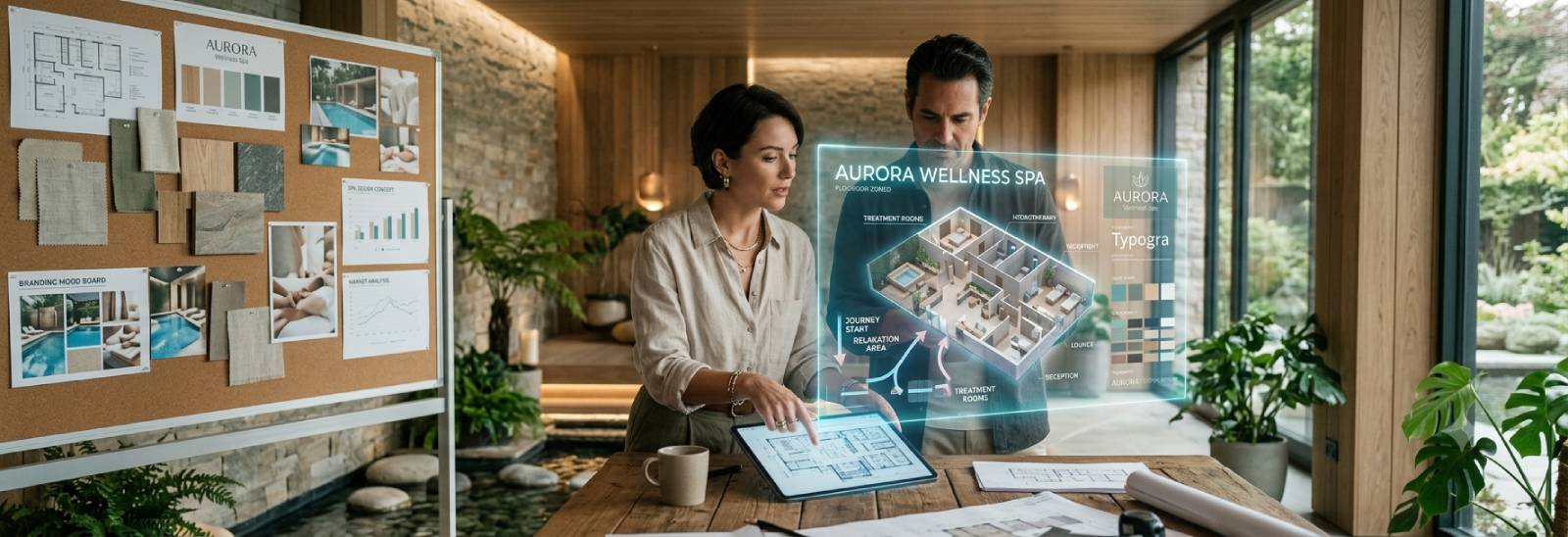
Learn how to design spa concepts that attract clients and maximize profitability. Discover strategic planning, branding, and customer experience tips to create a spa that truly sells.
spa design strategy, spa business concepts, profitable spa ideas, spa branding tips, customer experience spa, spa marketing strategy, wellness business design, spa layout planning, spa concept development, spa entrepreneurship
Strategic Blueprints: Designing Spa Concepts That Sell
Creating a successful spa goes beyond offering relaxing treatments—it requires a strategic approach that aligns branding, customer experience, and operational planning. Designing a spa concept that resonates with your target market ensures both client satisfaction and long-term profitability.
Understanding Your Target Market
The foundation of a profitable spa concept lies in knowing your audience:
- Demographics: Age, gender, lifestyle, and income level influence service offerings.
- Preferences: Identify whether your clients prioritize luxury, wellness, affordability, or niche experiences.
- Pain Points: Understand common client challenges or desires to tailor your services effectively.
By aligning your spa concept with the needs and expectations of your ideal clientele, you position your business for success.
Crafting a Unique Spa Concept
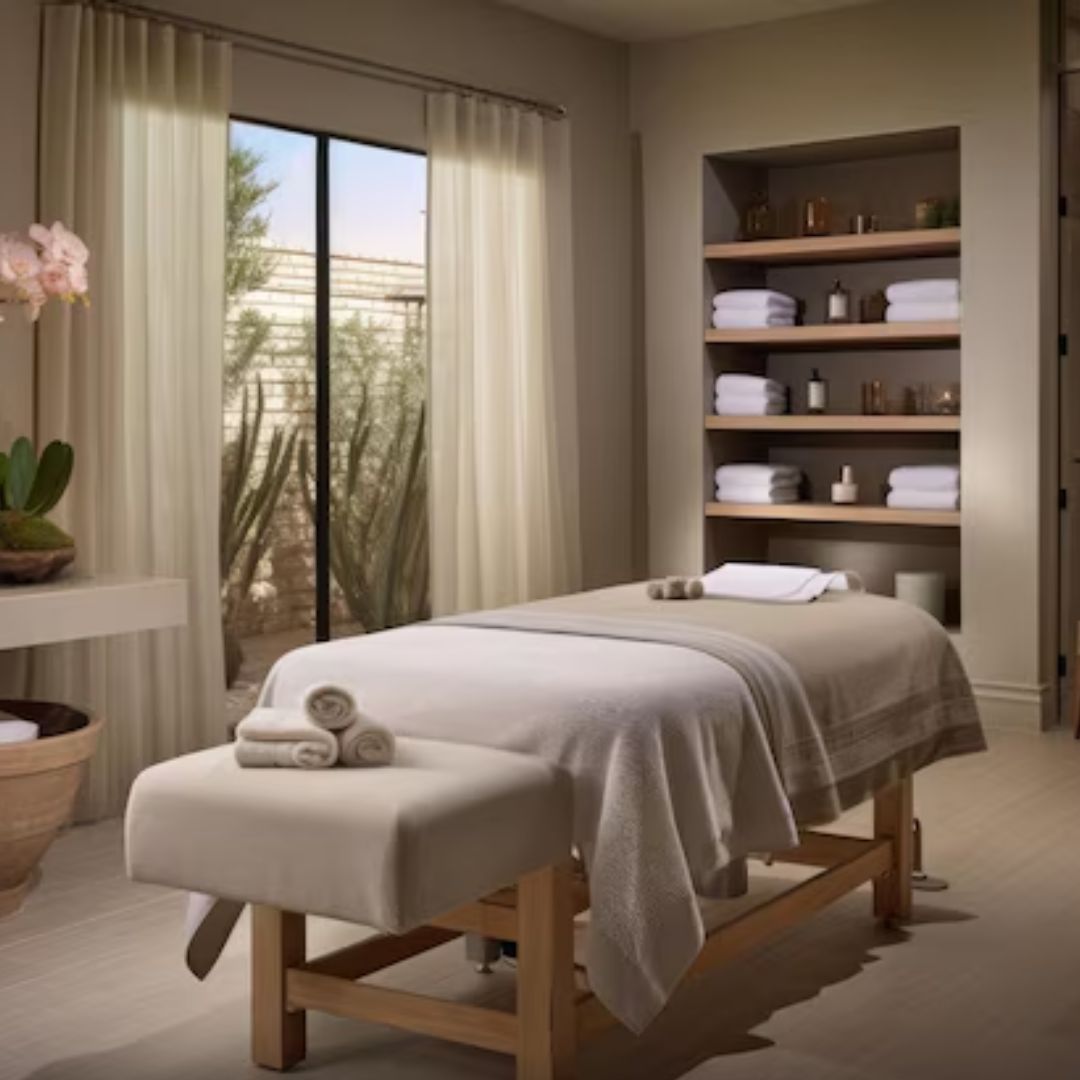
A spa concept should distinguish your business from competitors. Key elements include:
- Theme and Ambiance: From modern minimalism to tropical retreats, ambiance sets the tone for the client experience.
- Signature Services: Offer specialized treatments or exclusive techniques that clients can’t find elsewhere.
- Wellness Philosophy: Incorporate holistic approaches or specialized wellness programs to enhance perceived value.
Unique concepts create memorable experiences that encourage repeat visits and word-of-mouth referrals.
Designing the Physical Space
A well-designed spa environment enhances both client satisfaction and operational efficiency:
- Layout Planning: Optimize flow from reception to treatment rooms, ensuring comfort and privacy.
- Lighting and Sound: Use ambient lighting and soothing soundscapes to create a relaxing atmosphere.
- Furniture and Decor: Select materials and finishes that reinforce your brand identity while ensuring durability.
The physical space should reflect the spa’s concept while creating an inviting, stress-free environment for clients.
Branding and Marketing Strategies
Even the best spa concept needs strong branding and marketing to attract clients:
- Visual Identity: Logos, color schemes, and interior design should communicate your spa’s personality.
- Online Presence: A professional website, social media engagement, and booking platforms are essential for visibility.
- Promotions and Packages: Seasonal offers, membership programs, and loyalty incentives encourage client retention.
Strategic branding ensures your spa stands out in a competitive wellness market.
Operational Considerations

Efficiency and quality service are critical to a spa’s long-term success:
- Staff Training: Ensure therapists and staff are skilled, knowledgeable, and aligned with your wellness philosophy.
- Inventory Management: Maintain essential products without overstocking to control costs.
- Customer Feedback: Regularly gather and act on feedback to refine services and enhance client satisfaction.
Operational excellence supports profitability and reinforces a positive brand reputation.
Conclusion
Designing a spa concept that sells requires a holistic strategy, combining market research, unique offerings, physical design, branding, and operational efficiency. Every element—from the ambiance and services to marketing and staff training—should work together to create an unforgettable client experience.
By approaching spa design strategically, entrepreneurs can not only attract clients but also build a sustainable, profitable wellness business that stands out in a competitive market.