Six Senses Spa cultural wellness hotel spa case study
A reference for combining local culture, smart wellness and hands-on sensory programming in a modern hotel spa.
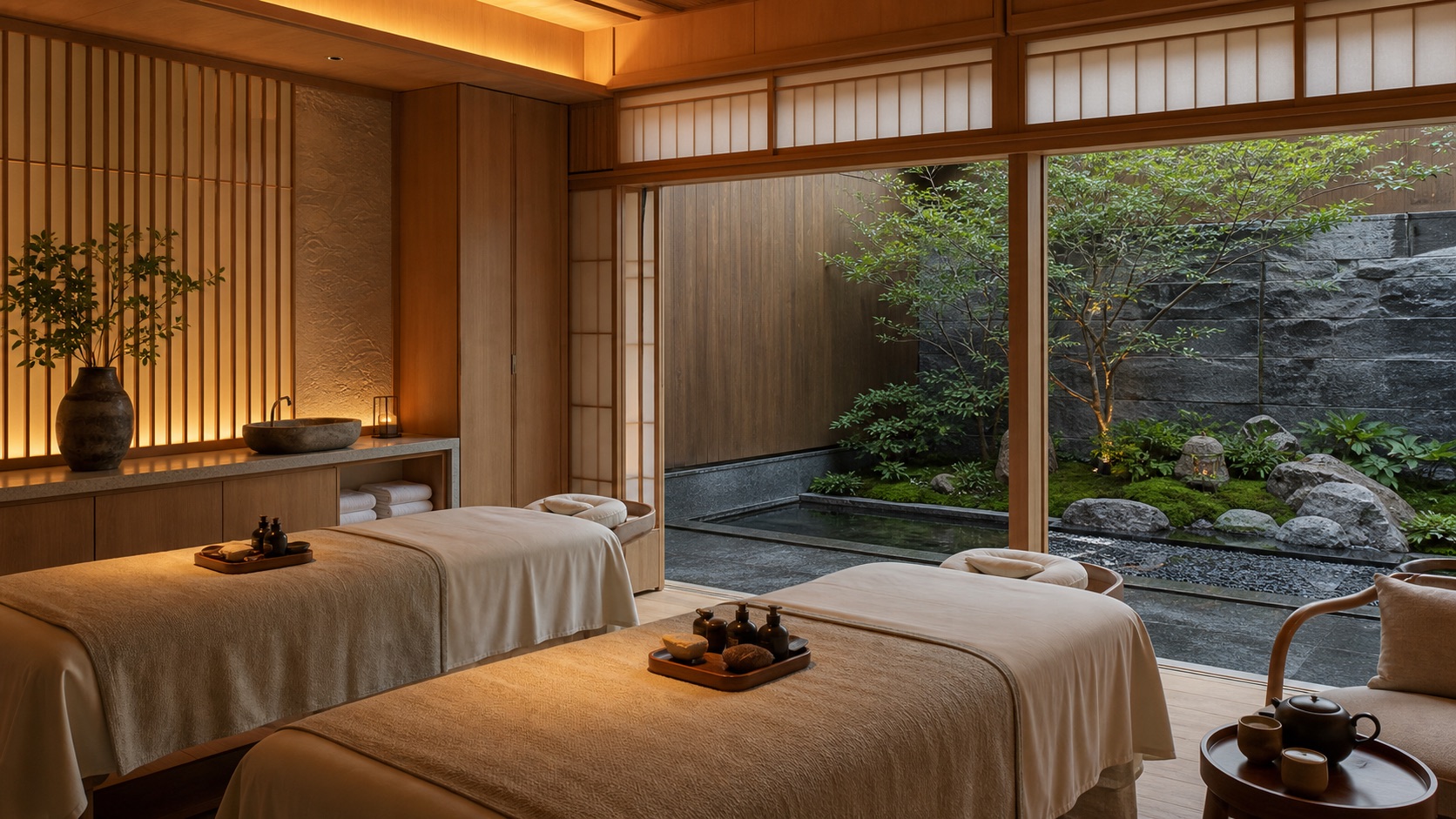
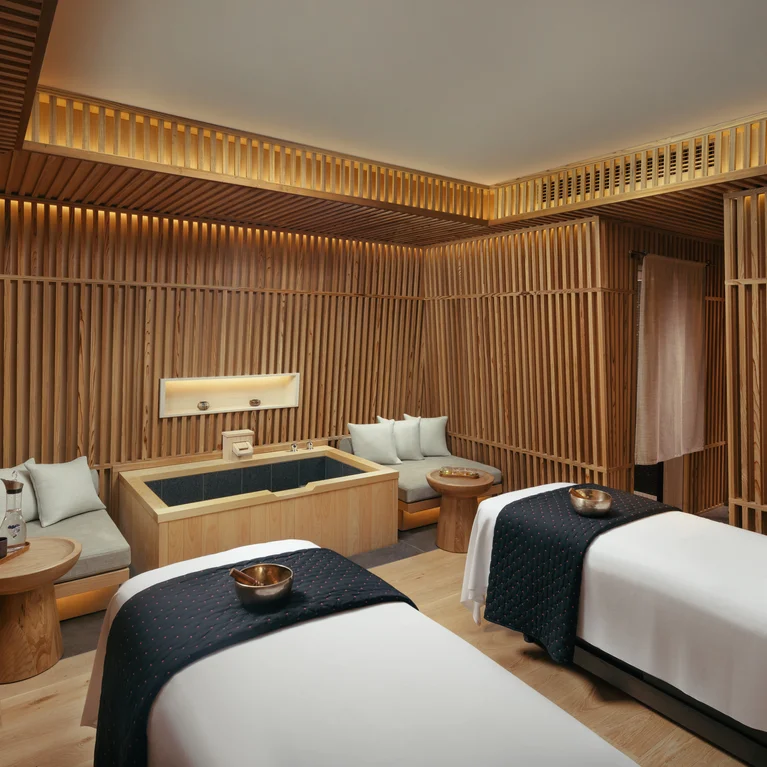
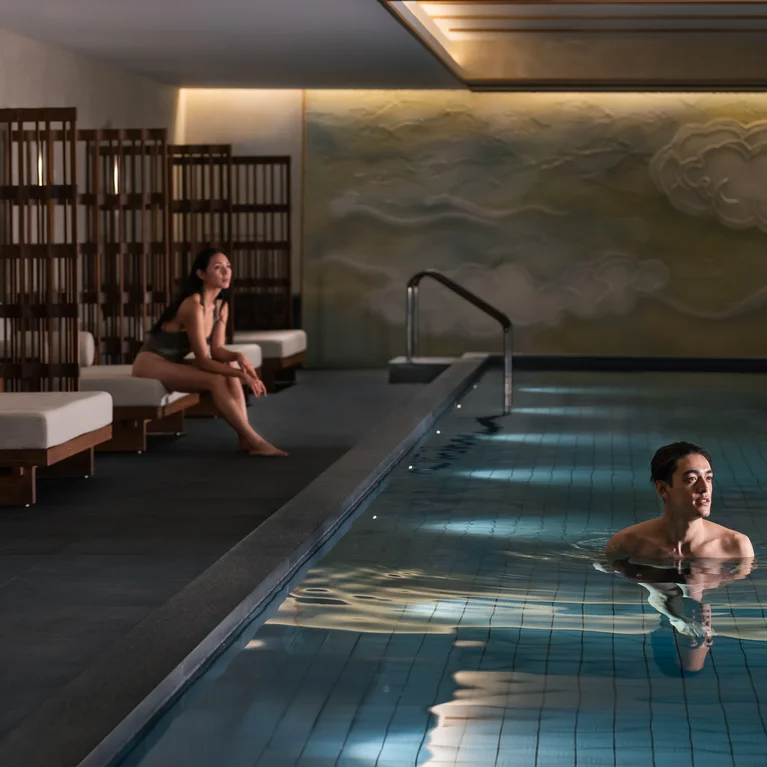
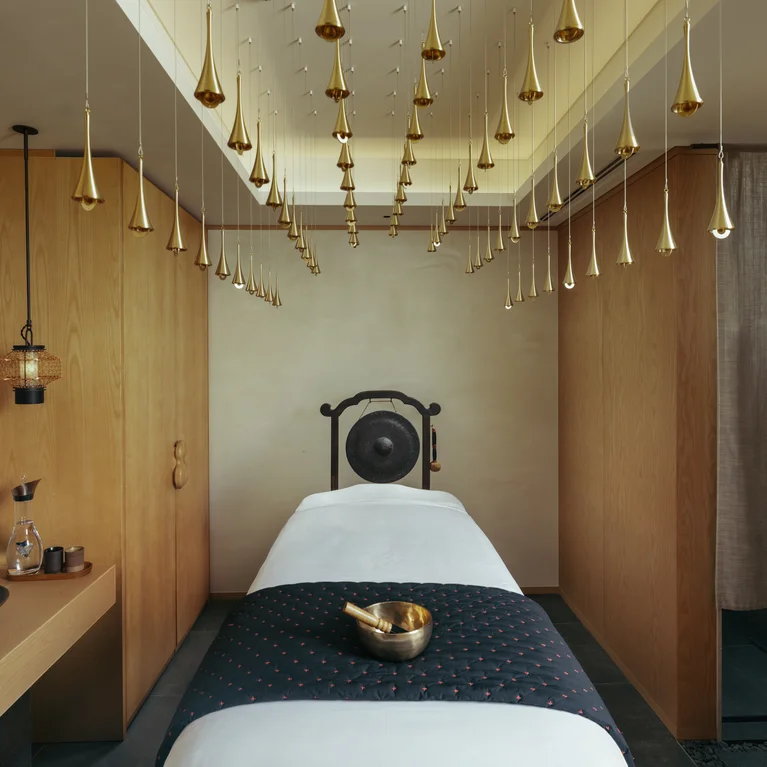
A public benchmark, decoded from a spa development and hotel operations perspective.
Why it matters
Six Senses Kyoto is a strong example of a modern luxury spa that does not rely only on beautiful rooms. Its value comes from programming: guests are invited into Japanese Zen culture, traditional healing, smart wellness and sensory participation.
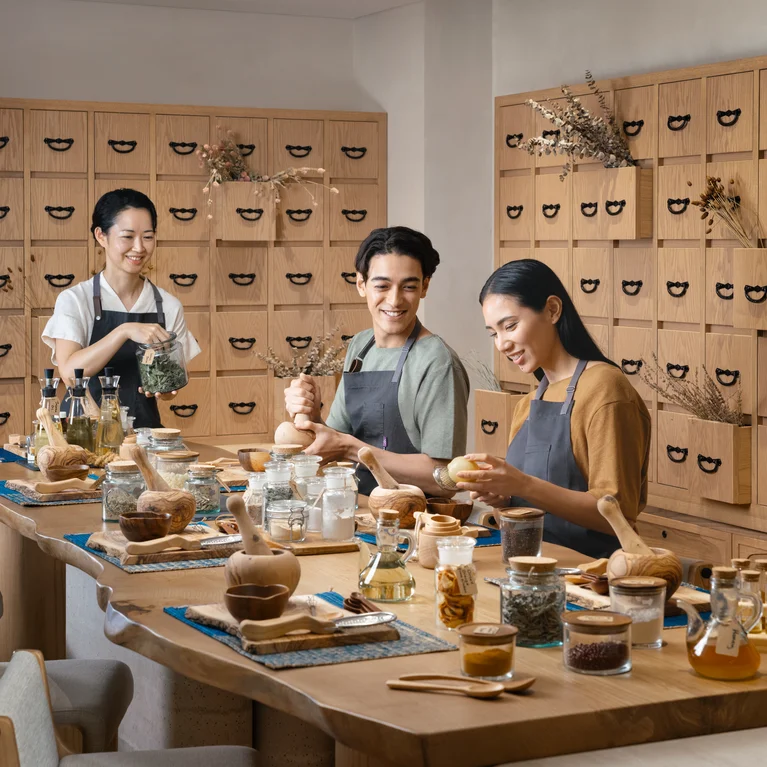
The Alchemy Bar idea is especially important. It turns product and ingredients into an experience the guest can touch, smell and remember. This kind of participation increases perceived value and gives the spa a story that can travel beyond the treatment room.
Guest journey analysis
The journey balances learning and softness. Kyoto guests often arrive with cultural curiosity, but they do not want a lecture. The spa can meet that moment with rituals that feel local, seasonal and personal: scrub blending, sleep support, detox pathways, tea-like pacing and post-treatment product discovery.
A key detail is micro-seasonality. Referencing Japan’s seasonal calendar gives the spa a natural reason to refresh treatments, ingredients, retail displays and communications throughout the year.
Operating model
This benchmark suggests a program-led spa model. Treatments, wellness programs, workshops, visiting practitioners and retail all reinforce each other. That reduces dependence on one massage menu and creates stronger reasons for multi-day hotel guests to return during the same stay.
For operators, the challenge is training. Therapists need enough cultural and product knowledge to guide guests without overexplaining. The experience must stay human, calm and sensory.
What a hotel operator can learn.
Public benchmark study based on publicly available information. No affiliation, endorsement or client relationship with Six Senses Kyoto is implied. Source: Six Senses Kyoto official wellness page.
The operating partner behind spas that run clean and grow. Concept to open, and the seasons after.